How Hard Is The Franz Josef Glacier Walk?
The Franz Josef Glacier walk has two very different meanings: an easy 30 minute DOC valley viewpoint walk and a moderate guided heli hike on the ice. Here is how hard each one really is.
It depends which walk you mean. The DOC valley walk to the viewing barrier is easy to intermediate, a 1.7 km return taking about 30 minutes on a formed track that anyone in reasonable health can manage, while walking on the glacier itself is a moderate, guided, helicopter-accessed trip because the river has cut off foot access and DOC says helicopters are the only safe way onto the ice.
Most people asking this question are standing in Franz Josef township with a few spare hours and a pair of walking shoes, wondering whether they can stretch their legs to the famous ice. The honest answer splits cleanly in two. The free public walk in the national park valley is short and gentle. The guided ice walk is a half-day adventure with gear, a harness, crampons and a helicopter, and its operator rates it moderate.
This matters for planning more than it might seem. Visitors sometimes book a Franz Josef stay of one night expecting to walk up to a glacier, then discover the ice itself sits behind a helicopter flight. Franz Josef Glacier Guides advises spending at least two days in Franz Josef when a glacier trip is on the list, precisely so there is a spare day if weather closes in. If your heart is set on standing on the ice, the realistic comparison is between the valley viewpoint walk, which costs nothing but the car park fee, and the guided heli hike, which the operator prices from NZD 899.
The rest of this article walks through each option's actual difficulty, in the operator's and DOC's own words, so you can match the walk to your fitness, your budget and the time you have. There is also a genuine third option that almost nobody mentions: the Alex Knob Track, an advanced 8 hour DOC route that the department says offers the best views of Franz Josef Glacier without taking a helicopter flight.
The DOC Valley Walk: Distance, Time And Difficulty
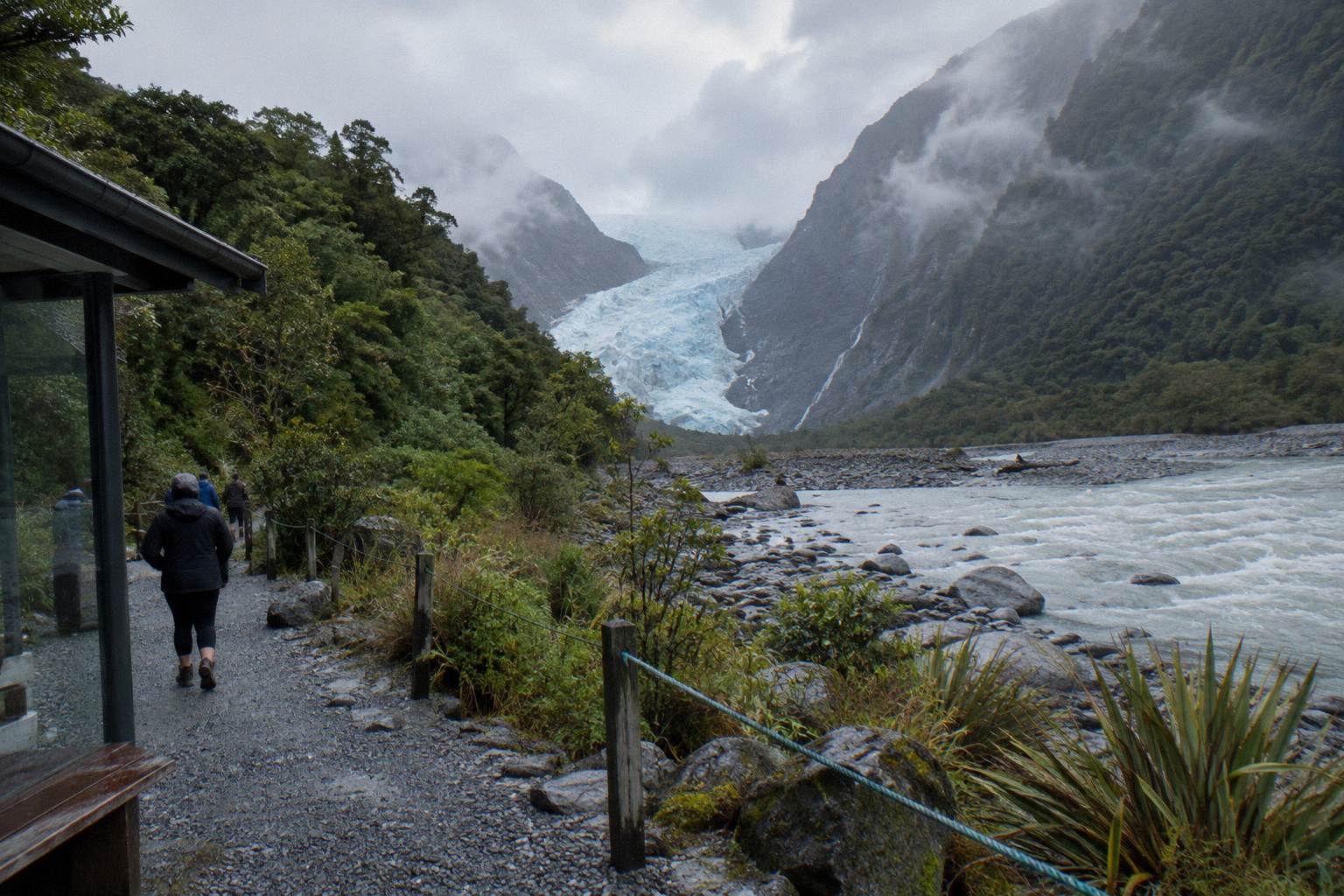
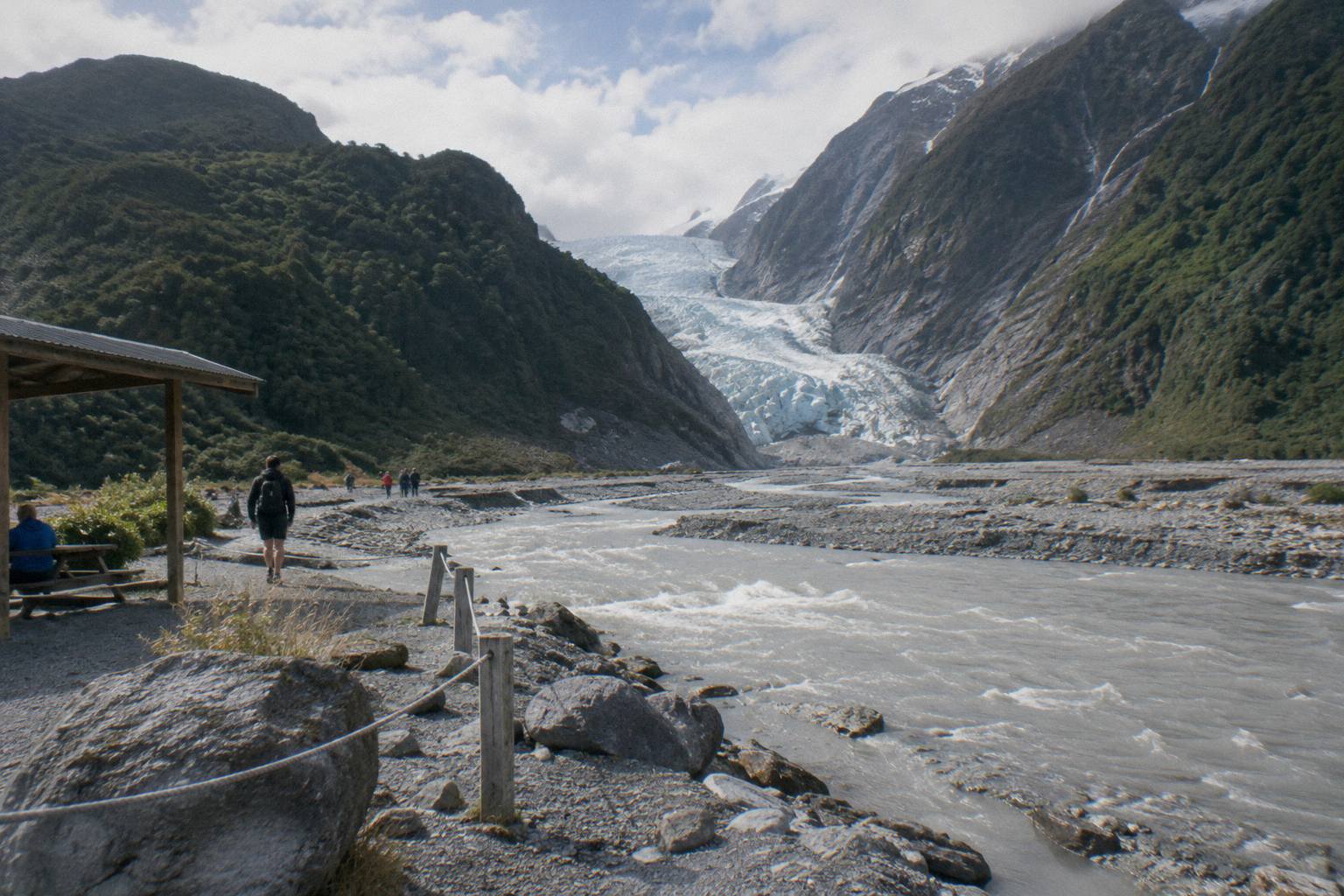
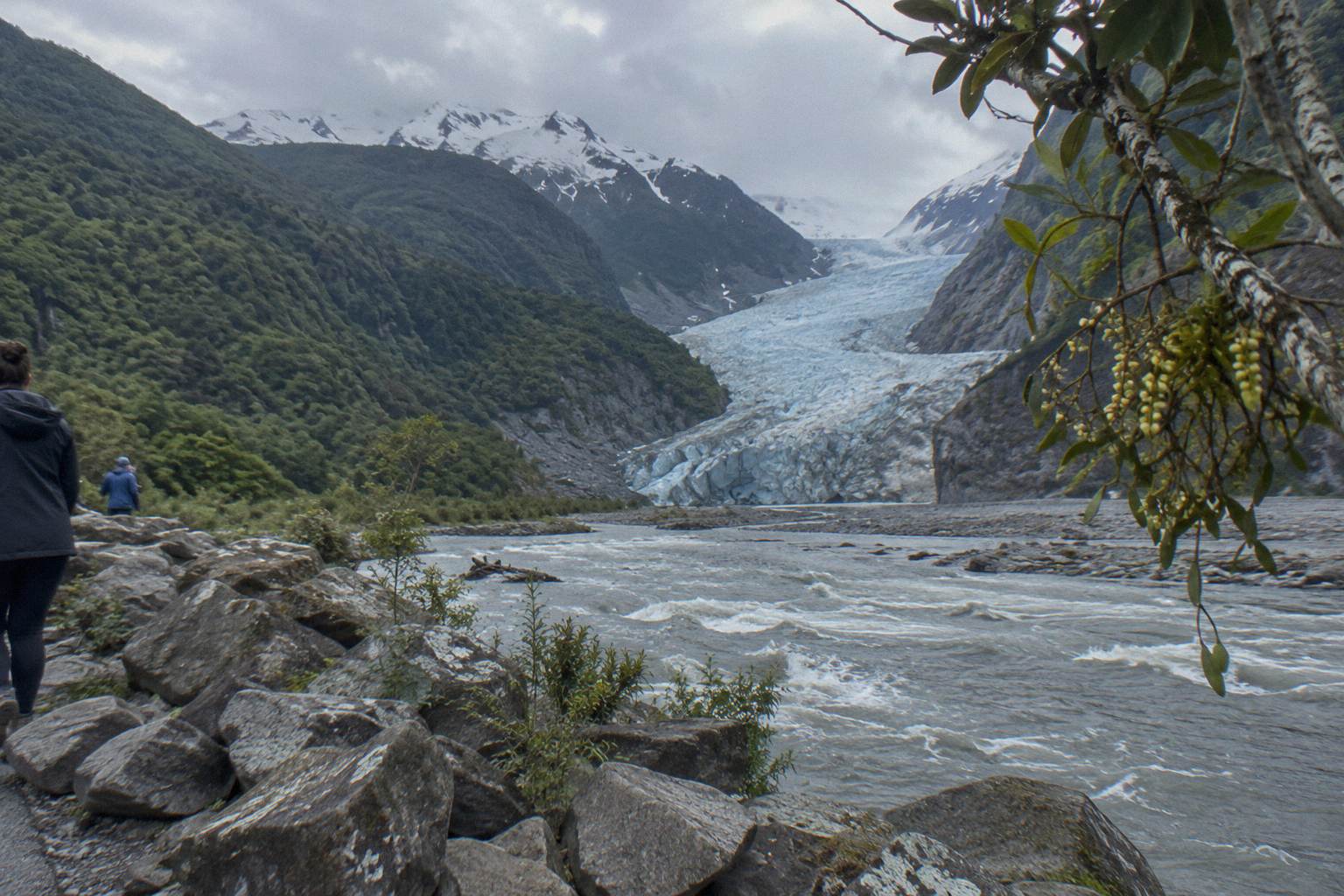
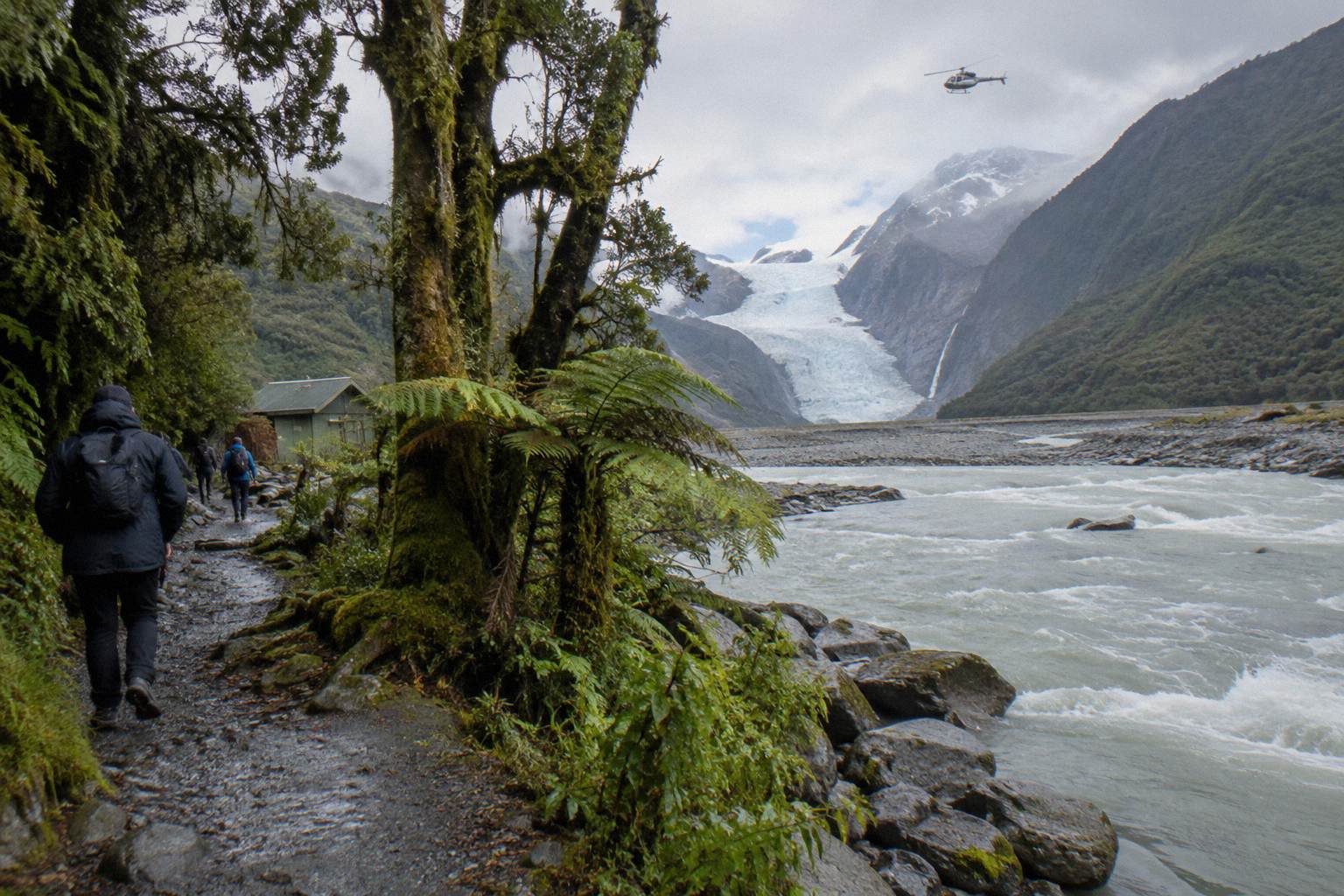
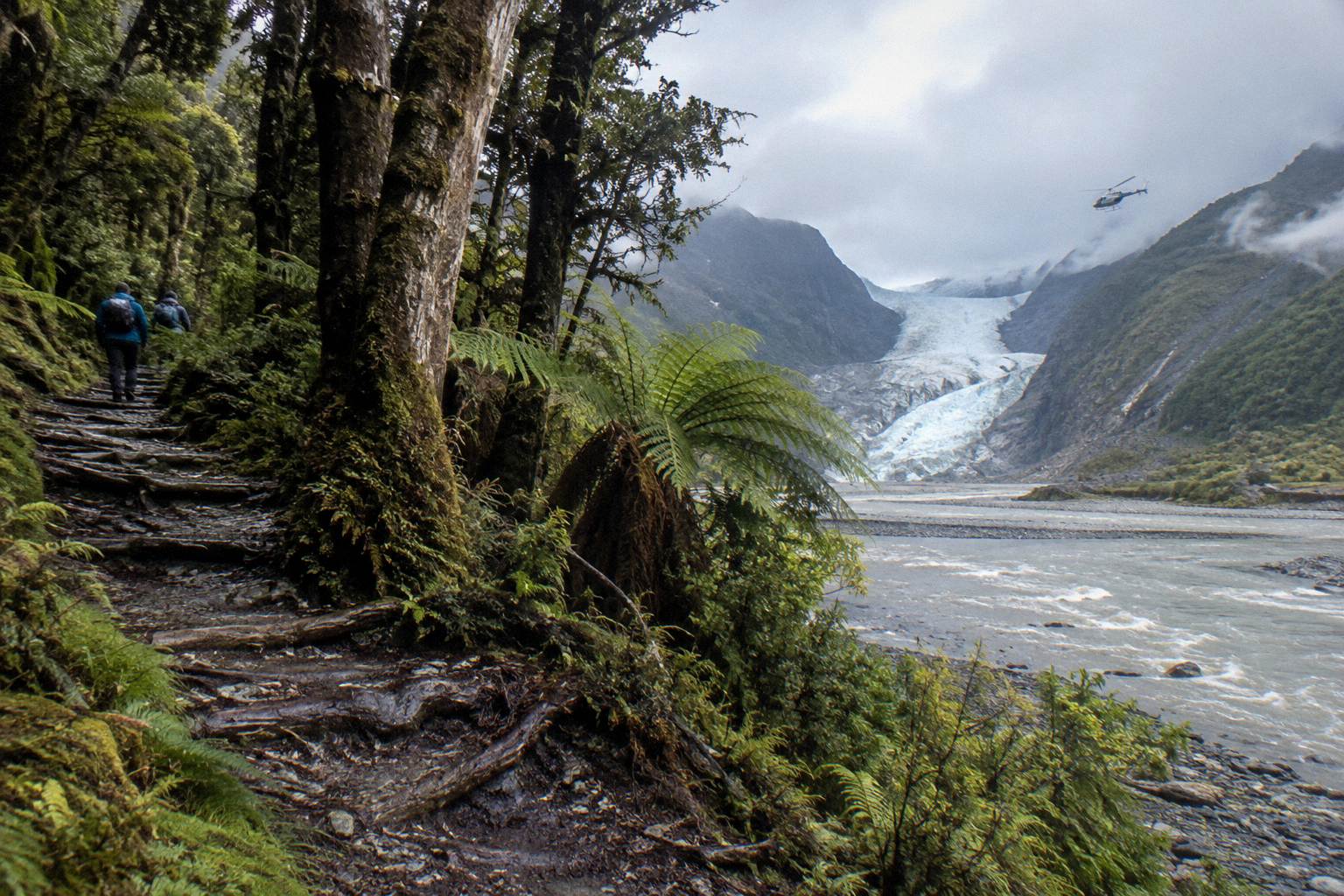
The Franz Josef Glacier valley walk is a 1.7 km return track taking about 30 minutes, rated easy to intermediate by DOC. It ends at a viewing barrier, and DOC is explicit that the river has cut off access up the valley, so it is not possible to go further on foot. For difficulty purposes, it is one of the easier walks you will do in a New Zealand national park.
The track begins at a car park reached by an access road about 4 km from the township, across the Waiho River bridge. The car park charges NZD 2.50 per half hour or NZD 20 for a day, with the first 10 minutes free. Drones are banned. The DOC visitor centre at 69 Cron Street, phone +64 21 947 990, is the place to check track conditions before you drive out, and DOC's valley walk track page carries the current alerts.
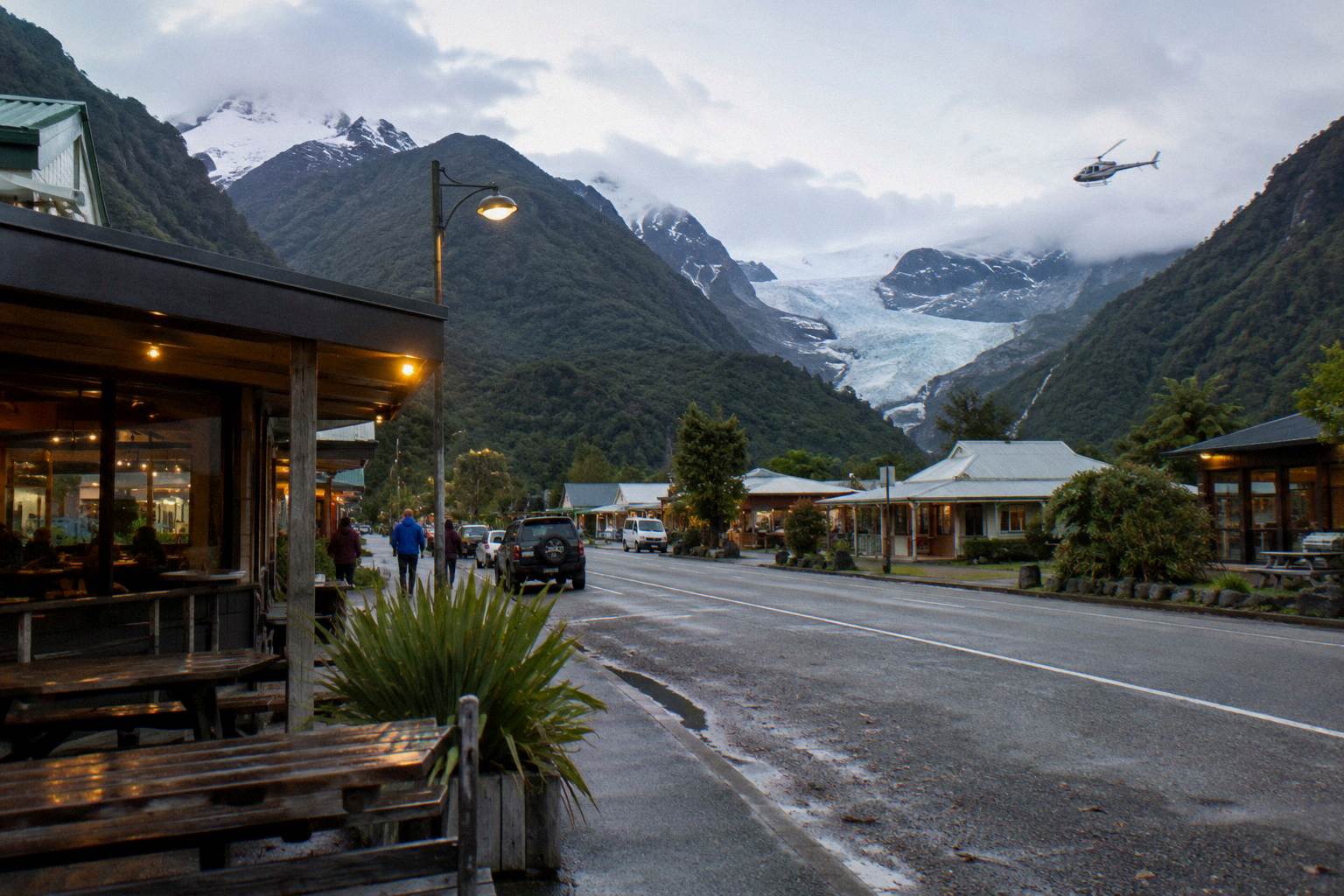
On the difficulty question, the numbers do most of the talking. Thirty minutes return on a formed track places this firmly at the accessible end of the scale. DOC rates it easy to intermediate. The hazards it names are river surges, rock fall and flooding, which is why the barriers at the end must not be crossed. This is a viewpoint walk, not a glacier walk, and the distinction is the single most important thing to understand about it.
| Feature | Detail |
|---|---|
| Distance | 1.7 km return |
| Time | About 30 minutes |
| Difficulty (DOC rating) | Easy to intermediate |
| Surface | Formed track to a viewing barrier |
| Cost | Car park NZD 2.50 per half hour, NZD 20 per day, free under 10 minutes |
| Access | Road about 4 km from the township, across the Waiho River bridge |
| Drones | Not permitted |
| Hazards named by DOC | River surges, rock fall, flooding |
Who is this walk right for? Almost everyone. It suits families with small children, travellers with limited mobility who can manage a short formed path, anyone with a spare hour between other bookings, and people whose budget does not stretch to a helicopter trip. It does not require gear, bookings or a guide. What it does not do, and cannot do, is put your boots on glacier ice. For that you need a flight, which is the subject of the next section.
At the last read of the DOC alerts, the Franz Josef valley walk itself had no closure notice. Three separate alerts applied elsewhere in the area: the Tatare Tunnels Walk was closed due to a slip, the Almer Hut radio was not working, and the Copland Shelter was closed. If your plan includes any walk beyond the glacier valley track, check the DOC page on the day.
Why You Cannot Walk Onto The Ice From The Valley
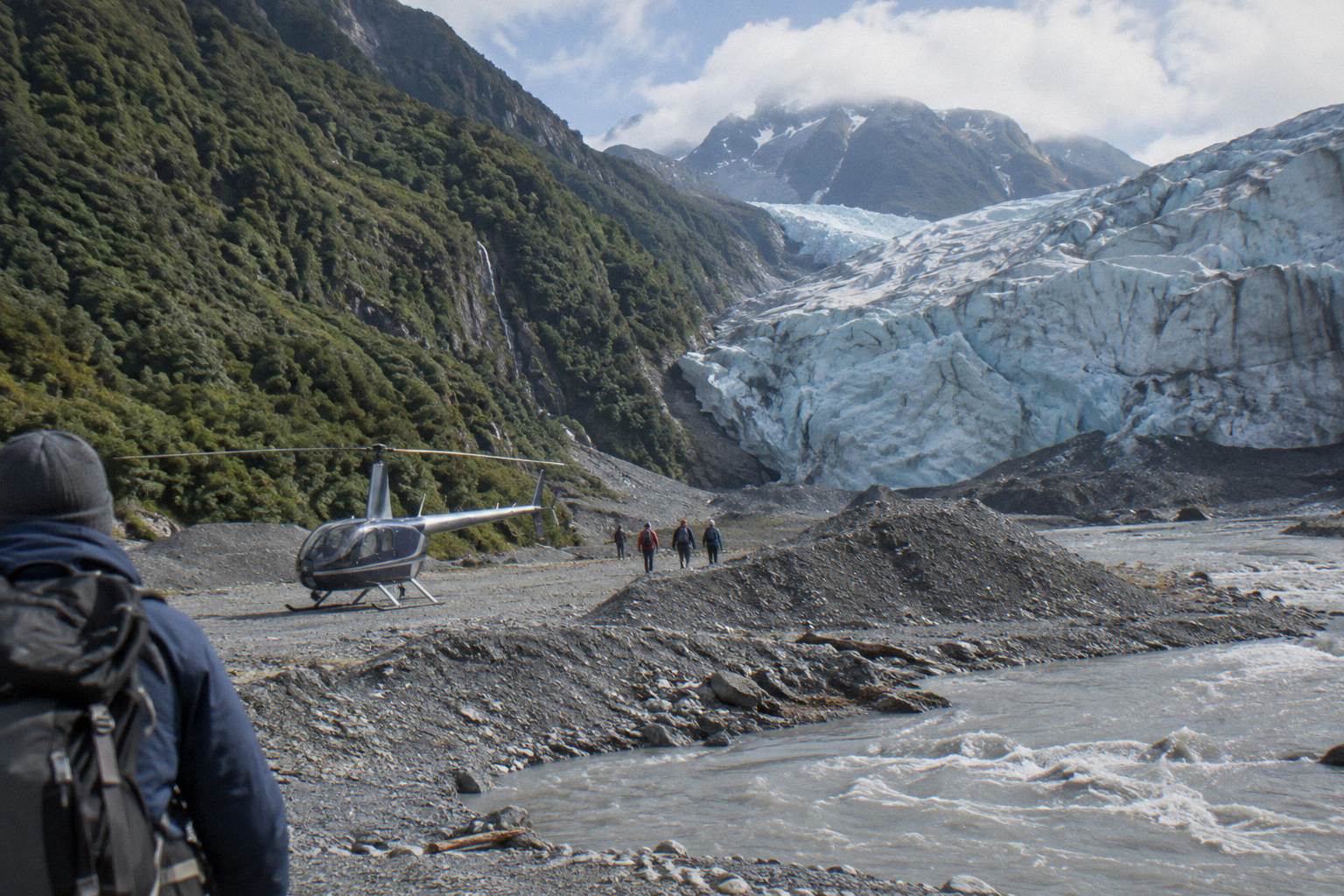
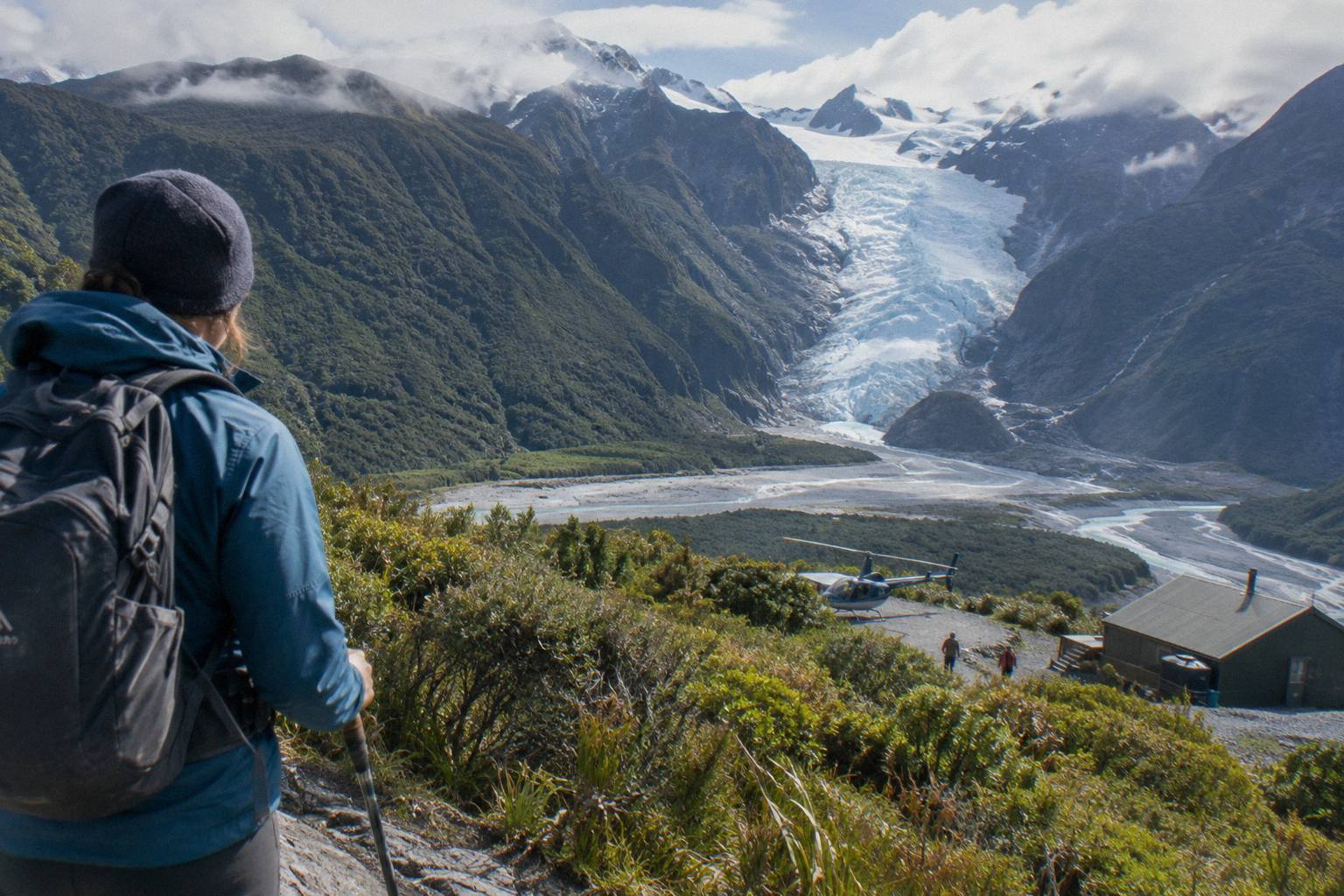
This is the part of the story that catches out visitors who remember older guidebooks. There was a time when guided groups walked from the valley onto the ice. That era is over. Glacier Helicopters' page records that the glacier was in a state of advance until 2008 and that, following the collapse of the terminal face in 2012, it is now only accessible by helicopter. DOC's wording on its Westland Tai Poutini National Park page is that guided glacier walks are the safe way onto the ice. Neither source leaves room for a do-it-yourself route.
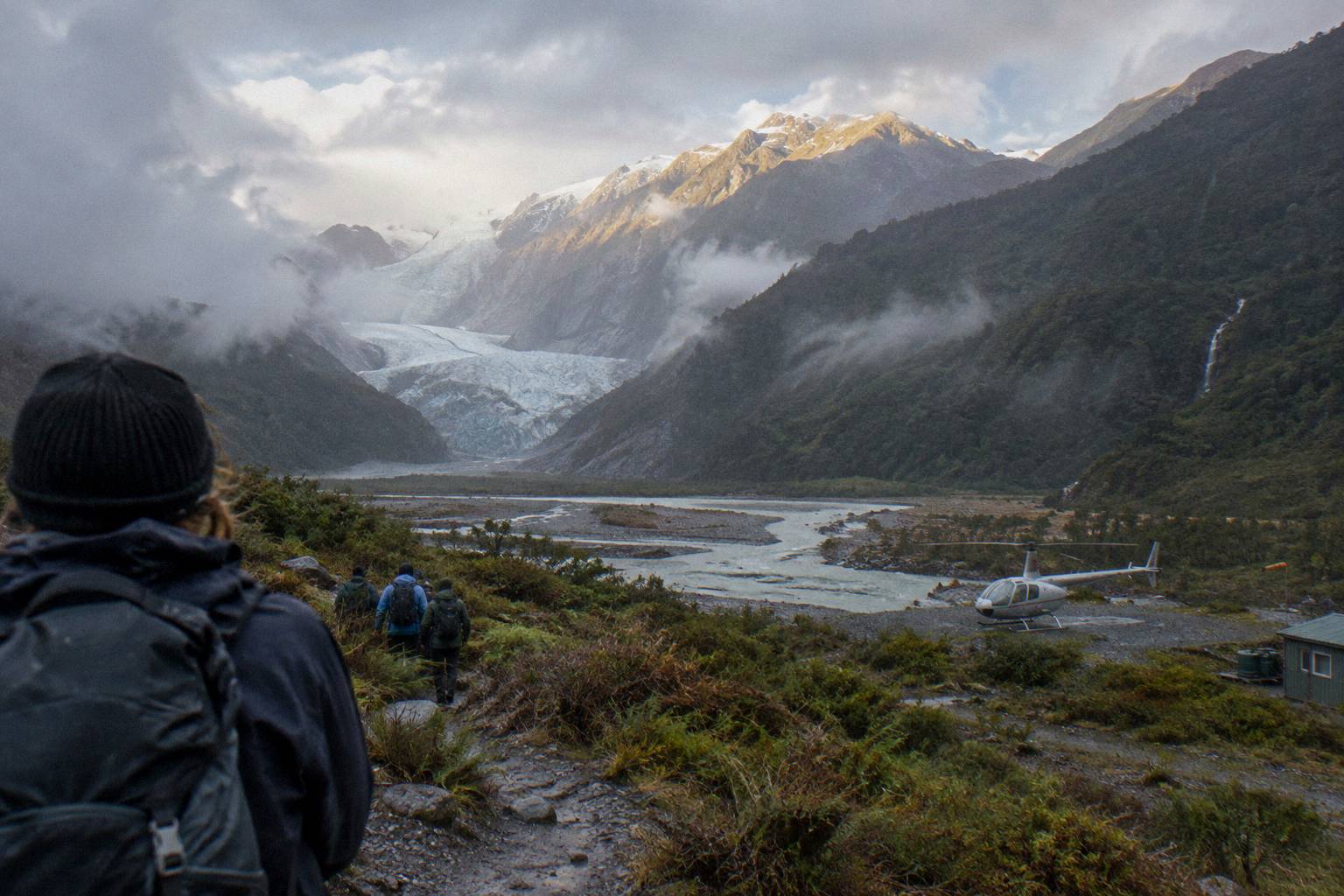
So when the question "how hard is the Franz Josef Glacier walk?" really means "how hard is it to walk on the glacier?", the answer is that the difficulty is not the barrier. Access is the barrier. The on-ice walk is a guided product with a helicopter transfer each way, and the difficulty rating attached to it belongs to the operator, Franz Josef Glacier Guides, which calls its heli hike moderate.
There is a temptation, on a tight budget, to look at the viewing barrier and wonder whether a short scramble beyond it would reach the ice. The hazards DOC names, river surges, rock fall and flooding, are the reason the barrier exists. The glacier's Māori name, recorded by Franz Josef Glacier Guides, is Kā Roimata o Hine Hukatere, the frozen tears of Hine Hukatere. The valley it sits in is part of Te Wahipounamu South West New Zealand World Heritage Area, and the department manages it accordingly.
If standing on the ice is the goal, the practical question becomes which guided product matches your fitness and schedule, and that is where the difficulty comparison gets interesting.
The Guided Ice Walk: How Hard Is The Heli Hike?
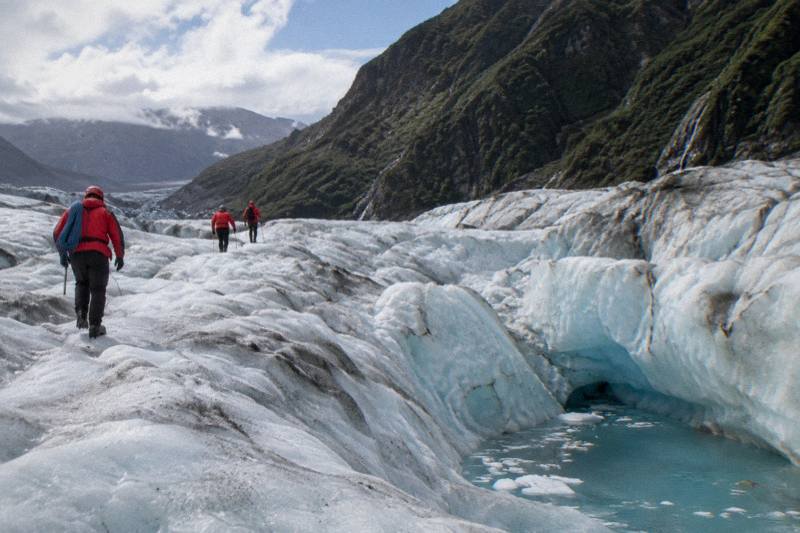
Franz Josef Glacier Guides rates its heli hike moderate, describing the fitness needed as being comfortable walking 2 to 3 hours on uneven terrain including steps cut into the ice, with no previous experience required. The trip runs up to 4 hours from check-in, with up to 2.5 hours on the ice, one guide to 11 guests, and the operator's price from NZD 899.
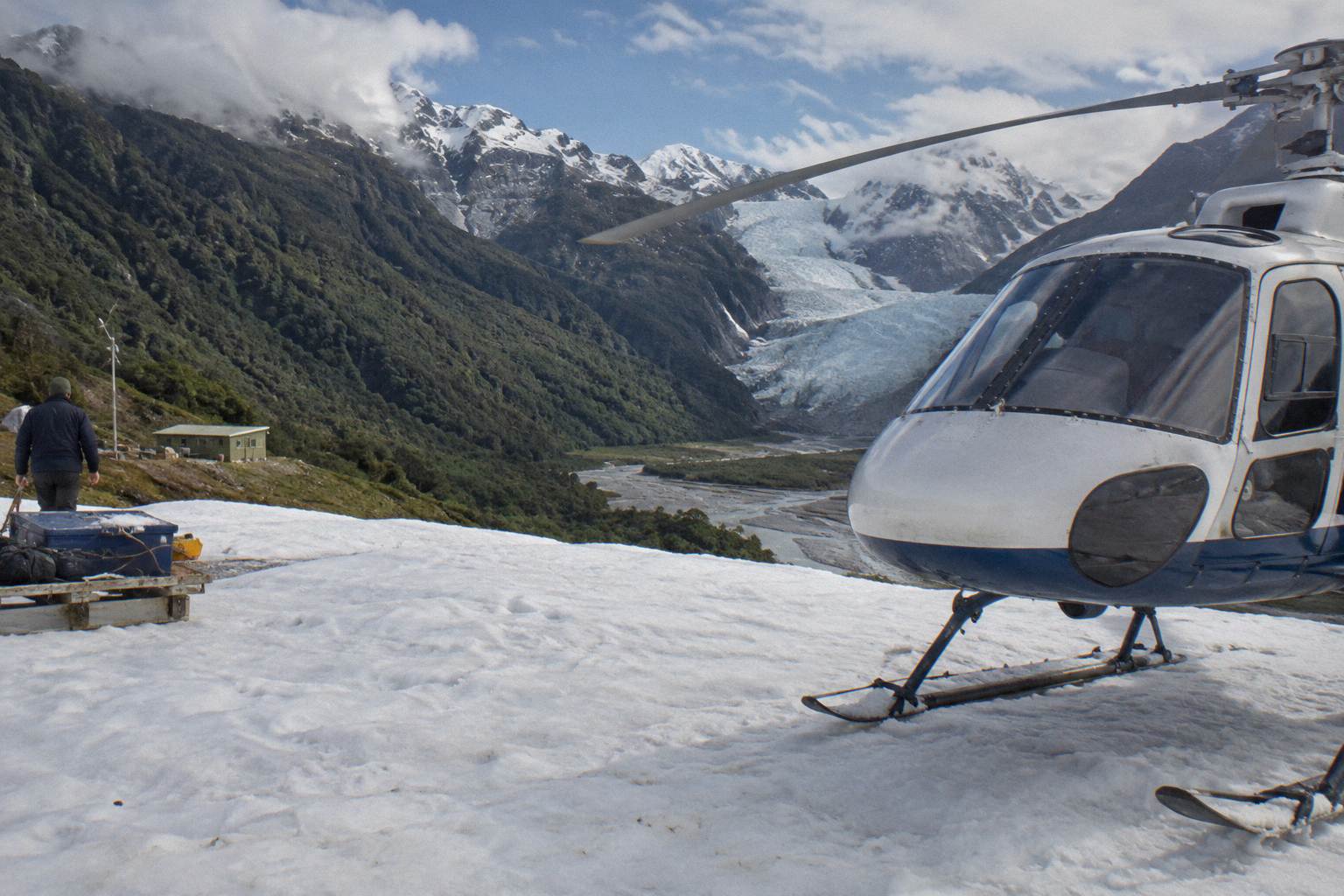
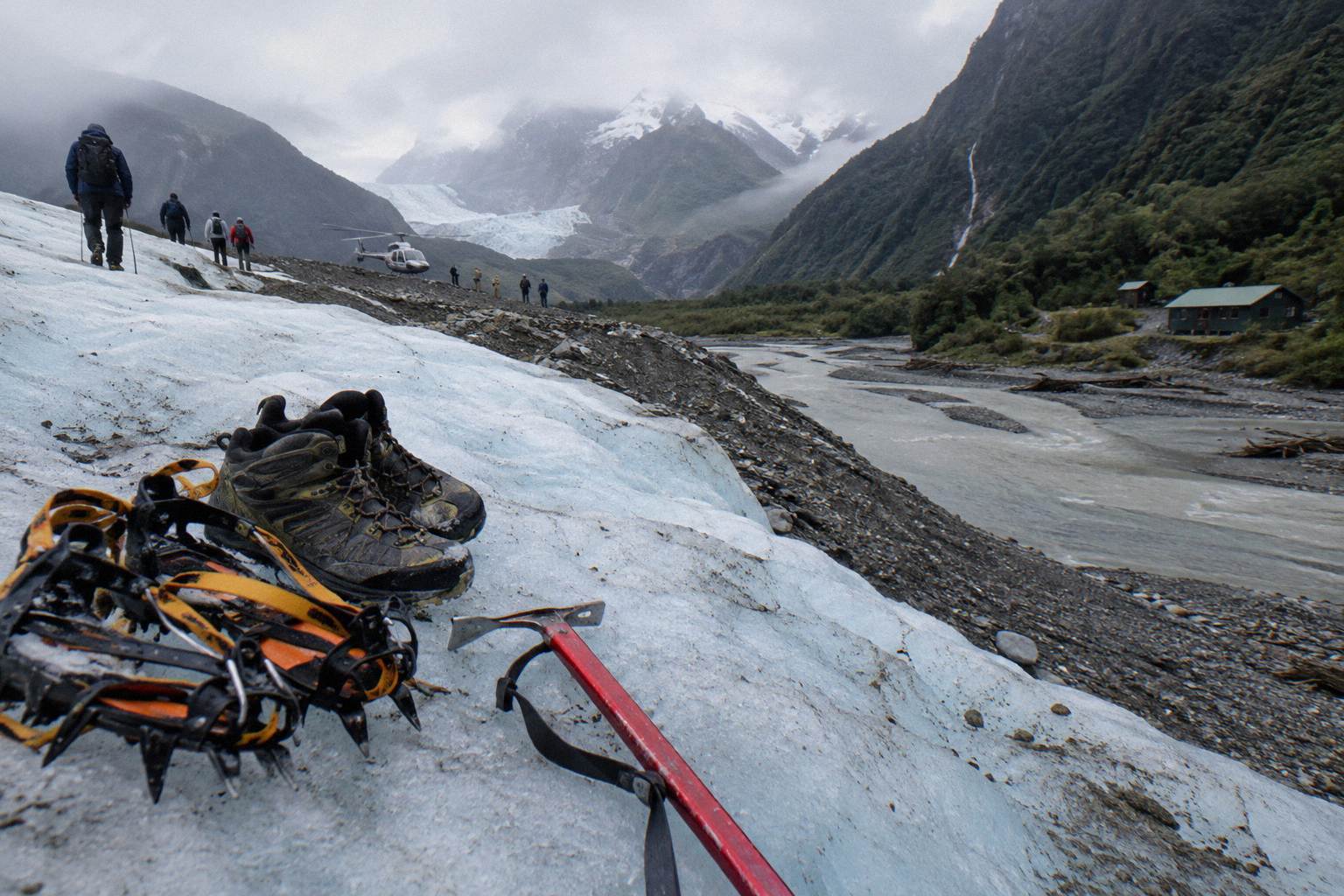
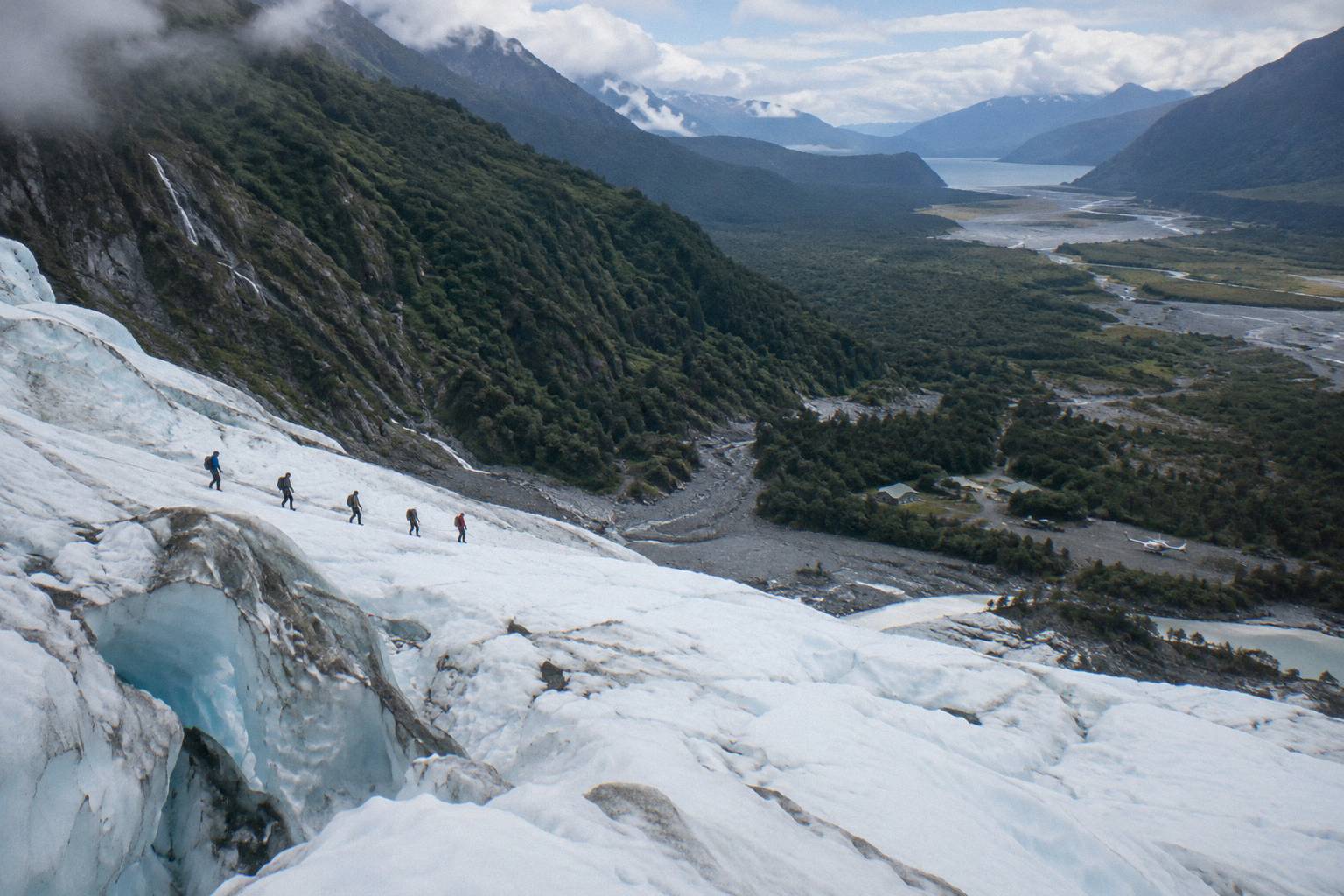
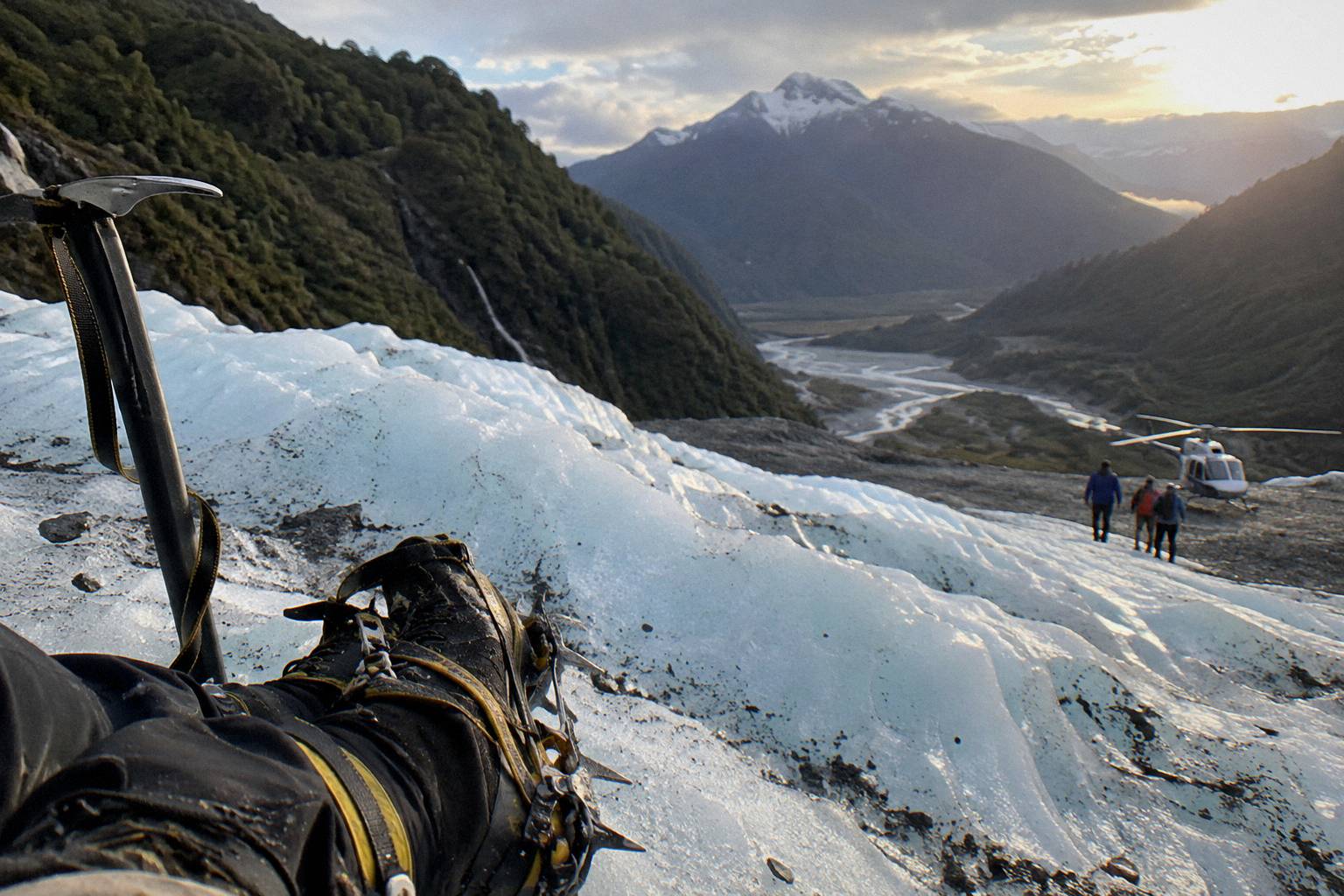
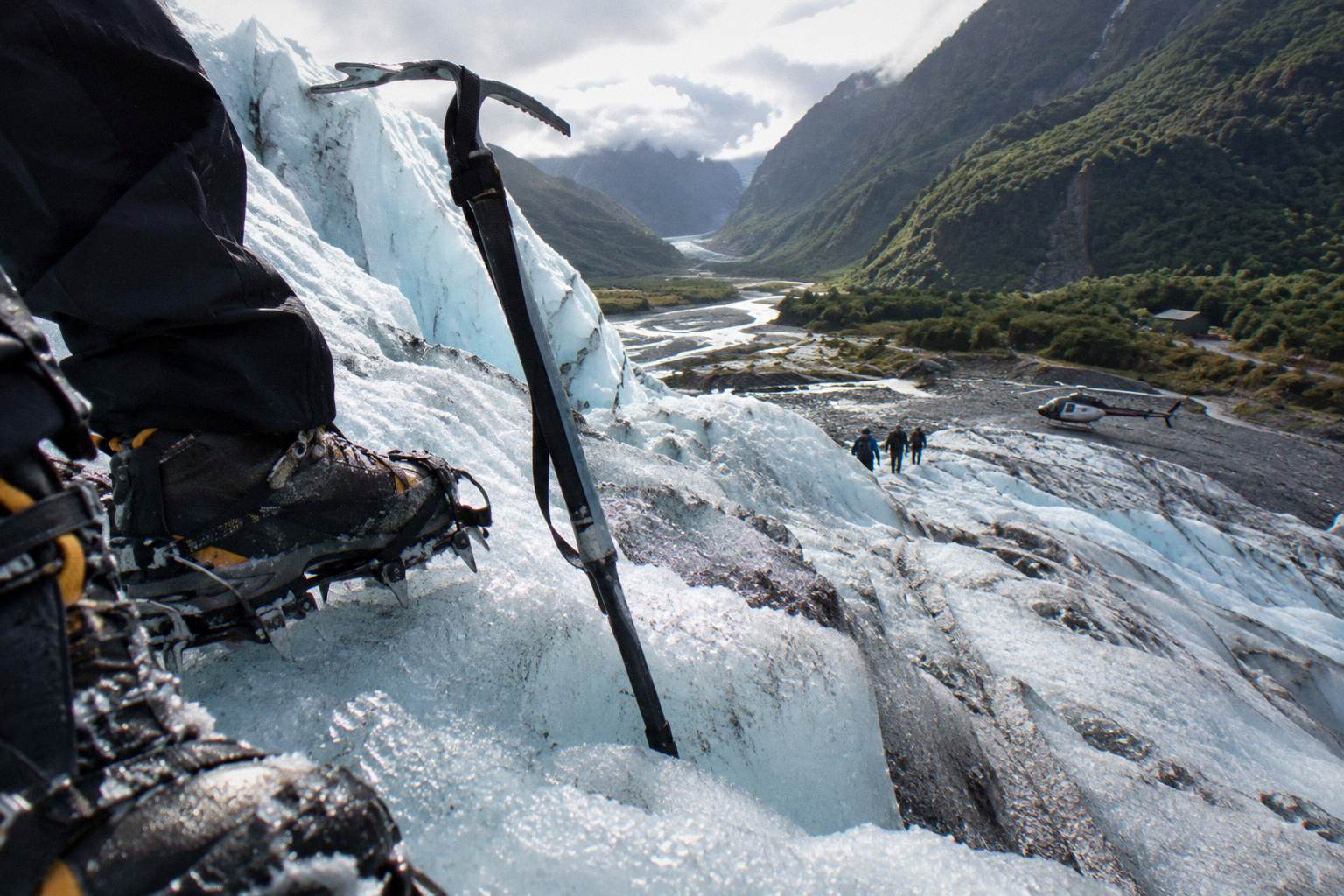
This is the walk most people are actually asking about when they type the question into a search box. The experience, per the operator: check in at Glacier Base, 63 Cron Street, 15 minutes before departure, gear up with supplied crampons, harness, helmet, boots and waterproofs, then fly by helicopter to a landing on the main ice fall, spend up to 2.5 hours walking on the glacier with a guide, and fly back. Both time figures are always "up to": the operator's own text varies between up to 2 and up to 2.5 hours on the ice, and the total is up to 4 hours from check-in.
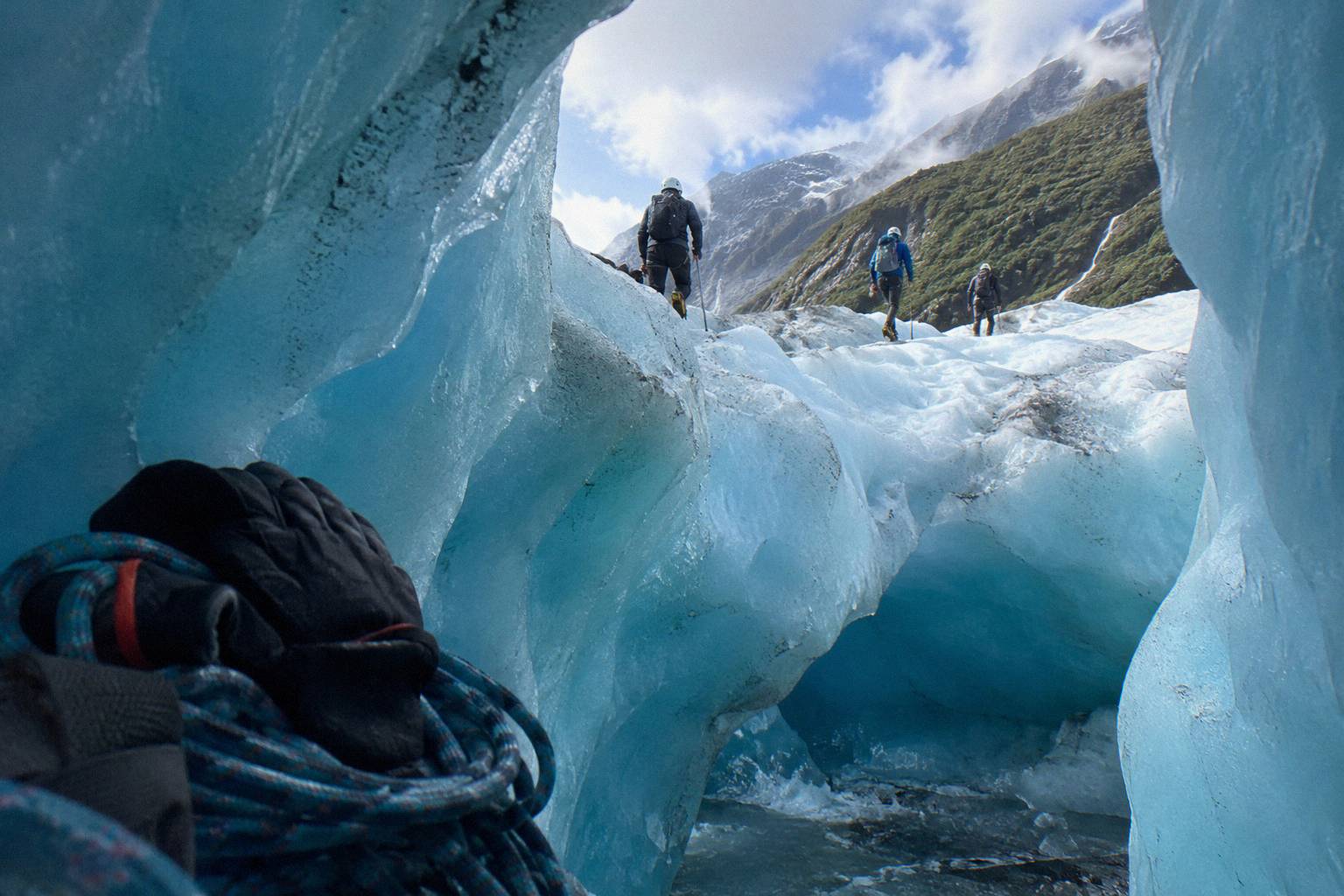
Moderate, in the operator's own definition, means moderate fitness rather than athletic training. The description is comfortable walking 2 to 3 hours on uneven terrain including steps cut into the ice, no previous experience needed. Summer departures are 7:30am, 10:00am and 12:30pm, with check-in 15 minutes before each. The guide may assess fitness on the day. The eligibility limits are minimum age 10, weight 35 kg to 115 kg, minimum height 137 cm, and under 18s must be accompanied by a paying parent or guardian. The heli hike is rated 4.6 to 4.7 across its booking pages.
Is it harder than the valley walk? Yes, plainly, but it is not mountaineering. The supplied gear does the technical work: crampons bite into the ice, trekking poles help with balance, and the guide cuts and chooses the route. The physical demand is sustained walking on an uneven surface for a couple of hours, in whatever weather the day serves up. Rainfall in the region runs 6 to 8 m a year, so the walk can happen in conditions far wetter than most day walks.
For readers comparing the guided ice options on difficulty, the operator's own ladder looks like this.
| Operator Trip | Difficulty (operator's words) | Time On Ice | Minimum Age | Operator Price |
|---|---|---|---|---|
| Glacier Landing (Glacier Encounter) | The easiest option | 15 minutes | 4 | From NZD 699 |
| Glacier Heli Hike | Moderate | Up to 2.5 hours | 10 | From NZD 899 |
| Glacier Adventure | Moderate to high fitness | Up to 5.5 hours | 14 | From NZD 1,549 |
| Glacier Heli Ice Climb | Good fitness, no experience needed | Up to 5.5 hours | 16 | From NZD 1,249 |
The Glacier Landing deserves a mention here because it answers the difficulty question for travellers who want to stand on the ice without the walk. It is 15 minutes on the glacier, a landing on the icefall at about 1,300 m, one hour from check-in, daily departures, one guide to six guests, minimum age 4, no special gear beyond enclosed shoes, and no weight limit stated, with the operator noting it depends on helicopter load. It is a standing visit rather than a hike, which is exactly why the operator calls it the easiest option.
The Franz Josef Glacier Heli Hike is the middle rung, and it is the trip this article's related tour page covers in detail: the classic heli hike with ice time and gear is the product to read first if moderate sounds right for you. Weather decides the day, and the operator says the heli hike needs a four-hour clear weather window, with the final call usually made just before departure. If the operator cancels for weather, you get a full refund or a reschedule, and an alternative such as the Glacier Landing is offered where possible.
For a sense of how the two glaciers' signature hikes compare on paper, the Franz Josef and Fox heli hike comparison covers the decision in full. In brief on difficulty: Fox Glacier Guiding also calls its Flying Fox Heli Hike moderate, with up to 3 hours of ice time, up to 4 hours in total, minimum age 9, and the operator's price from NZD 849. Different operator, different township, different limits.
If the standard hike sounds like too little rather than too much, the step up is the Franz Josef Glacier Adventure: up to 5.5 hours on the ice, up to 8 hours in total, daily 7:15am departures December to March, lunch and drinks included, minimum age 14, moderate to high fitness, abseiling or a crevasse traverse possible, and a maximum of four guests per booking. The operator's price is from NZD 1,549. It is the small-group, full-depth version of the same glacier, for walkers who found "moderate" undersells them.
Alex Knob Track And The Other Hard Walks Nearby
For walkers who want a genuine physical challenge with a glacier view, the Alex Knob Track is 8 hours and rated advanced by DOC, and the department says it offers the best views of Franz Josef Glacier without taking a helicopter flight. It is the only option listed here that is genuinely hard, and it keeps you off the ice but high above it.
The Alex Knob Track is the answer for a specific kind of visitor: the experienced tramper with a full day, proper boots and legs for 8 hours of advanced-grade track, who wants to see the glacier under their own power. DOC's wording on the view claim is worth reading twice, because it quietly confirms the access picture: the best views without a helicopter flight. Even from the knob, you are looking at the glacier, not standing on it.
A few shorter DOC walks fill out the area around the Fox Glacier side of the park too, if your route takes you that way. Lake Matheson is a 1 hour 30 minute walk rated easiest to easy. The Te Weheka Walkway and Cycleway takes 40 minutes to a viewpoint of what DOC describes as the largest active landslide in New Zealand. The Lake Gault Track is 3 hours return. Closer to Franz Josef, the Canavans Knob short climb runs 1 hour to 1 hour 40.
| Walk | Time | Difficulty (DOC rating) | Glacier View? |
|---|---|---|---|
| Franz Josef Glacier valley walk | 30 minutes return | Easy to intermediate | Yes, from a viewing barrier |
| Canavans Knob | 1 hour to 1 hour 40 | Short climb | Distant |
| Lake Matheson | 1 hour 30 minutes | Easiest to easy | No |
| Lake Gault Track | 3 hours return | Not stated by DOC | No |
| Alex Knob Track | 8 hours | Advanced | Yes, DOC says the best without a flight |
The pattern across the table is clear and honest: the free walks get progressively harder, and none of them touches ice. Difficulty on foot buys elevation and viewpoints, not glacier access. Only the guided helicopter products put crampons on the glacier itself.
Fitness, Age And Health Requirements For The Ice Walk
For the heli hike, the operator states minimum age 10, weight 35 kg to 115 kg, minimum height 137 cm, moderate fitness, and under 18s accompanied by a paying parent or guardian. Health conditions to declare include ankle or knee injuries, heart conditions, high or low blood pressure, diabetes and severe asthma, and the operator does not recommend the trip during pregnancy.
These limits belong to the Franz Josef heli hike specifically and do not transfer between products. The Glacier Landing drops the minimum age to 4 and states no weight limit. The Ice Climb raises the minimum age to 16 and asks for good fitness. The Glacier Adventure sets minimum age 14 and moderate to high fitness. Over at Fox Glacier, the guiding operator sets a 116 kg weight limit across all its helicopter trips, proof of a child's age by passport at check-in, and minimum age 9 on its Flying Fox and Express trips. Stating one product's numbers for another is how bad advice spreads, so treat the list as per-trip.
On health, the operator's list is the whole of the advice beyond one sentence: check with your doctor and tell the operator when you book. The conditions Franz Josef Glacier Guides asks you to declare are ankle or knee injuries, ACL damage, joint replacements or dislocations, neck or back injuries, heart conditions, high or low blood pressure, diabetes and severe asthma. The operator also requires guests not to be under the influence, and its FAQ says it does not recommend the trip during pregnancy. Fox Glacier Guiding takes a different position, saying it has guided pregnant women and leaves the decision to the guest, while noting Fox Glacier is 200 km from the nearest maternity hospital. Neither statement is a medical clearance; that is your doctor's job.
The fitness question underneath all of this is usually simpler than people fear. Moderate, as the operator defines it, is comfortable walking 2 to 3 hours on uneven terrain. If you can manage a hilly half-day walk at home, the heli hike's physical bar is within reach, and the guide may assess fitness on the day. What moderate does not cover: the full-day Adventure and Ice Climb products, which the operator separates out with higher fitness wording, and the Alex Knob Track, which is a different category of day out altogether.
One practical note on the day itself: departures cannot be delayed, and a missed trip is charged in full, so lateness is a self-inflicted difficulty. Free changes and cancellations are possible up to 24 hours before check-in, with the full amount charged inside 24 hours. If the trip starts and is cut short, a partial refund is considered if under 1.5 hours was spent on the glacier.
Choosing By Fitness Level: A Worked Comparison
A visitor who comfortably walks an hour on flat ground can do the valley walk without hesitation and should treat the heli hike as achievable with honest effort. A walker comfortable on hills for half a day fits the moderate bar exactly. Only experienced trampers should plan the Alex Knob Track, and the full-day glacier products suit walkers already confident at the moderate level.
Running the decision by traveller type makes the difficulty ladder concrete. Take a family with children aged 6 and 12. The valley walk is a 30 minute stop on the way somewhere else. The heli hike is out for the 6 year old, minimum age 10, but the Glacier Landing at minimum age 4 puts the whole family on the ice for 15 minutes, and the operator supplies no special gear beyond enclosed shoes.
Take a couple in their sixties who walk most weekends but avoid scrambles. The valley walk is easy. The heli hike is a fair target: the pace is set by a guide with a group of up to 11, trekking poles are supplied, and the surface, while uneven, is walked in crampons rather than climbed. The Glacier Landing is the low-effort fallback if the four-hour weather window does not open.
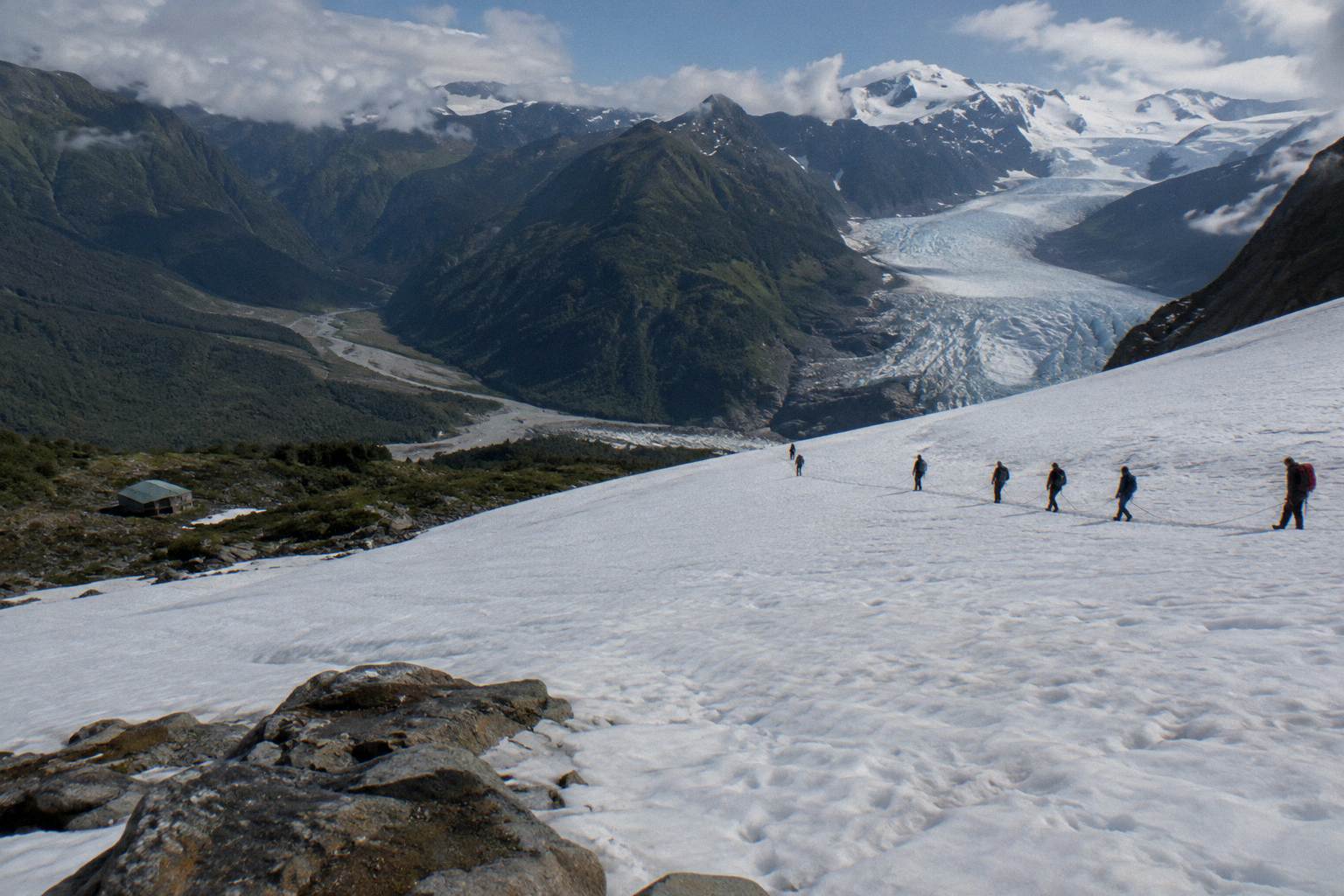
Take a fit 25 year old who found every "easy" walk on the itinerary boring. The valley walk will take 25 minutes and leave them wanting. The standard heli hike will satisfy for the ice time but may feel short. The Glacier Adventure, up to 5.5 hours on the ice with a maximum of four guests and possible abseiling or a crevasse traverse, is the product built for that appetite, and the operator's price from NZD 1,549 reflects the depth. Alex Knob, 8 hours advanced, is the free alternative with a view rather than ice underfoot.
The budget line is worth stating once, plainly. The valley walk costs the car park fee. The guided ice products cost from NZD 699 for the Landing, NZD 899 for the heli hike, NZD 1,249 for the Ice Climb and NZD 1,549 for the Adventure, all operator prices that can change, and the price on a booking page can differ from the operator's own. Difficulty and cost rise together in this list, which is unusual and useful: you are paying for ice time, group size and technical depth, not for a harder walk for its own sake.
Before the closing questions, a note on the honest verdict, because this page is published by Franz Josef Heli Hikes and readers deserve a straight answer rather than a hedge. If your question is "can I manage it?", the valley walk is yes for nearly everyone, and the heli hike is yes for anyone who walks regularly and can spend 2 to 3 hours on their feet on uneven ground. If your question is "is the walk on the ice hard?", the operator's word is moderate and its definition is printed above; your own fitness check against that definition is a better predictor than any review. If your question is "can I skip the helicopter and still walk on the glacier?", the answer is no, and DOC is the source for that no. For more on what the ice trip actually involves, the first-timer's guide to a glacier heli hike walks through the day step by step.
What Trips People Up When Judging The Difficulty
The three recurring mistakes are assuming the valley walk reaches the ice, reading "moderate" as a warning rather than a description, and mixing up one product's age and weight limits with another's. Each mistake sends a different kind of visitor to the wrong walk, and all three are avoidable with the operator's and DOC's own stated figures.
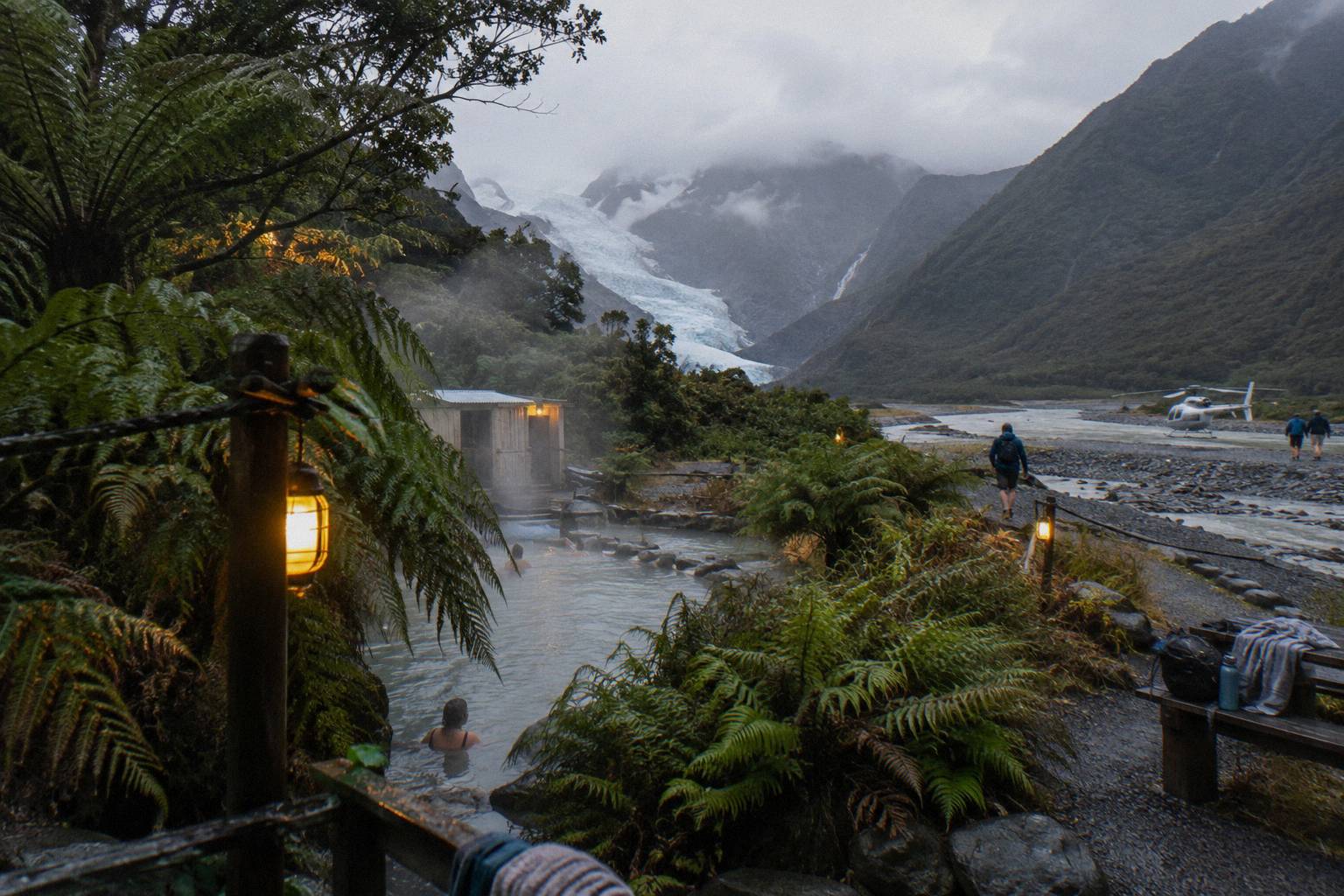
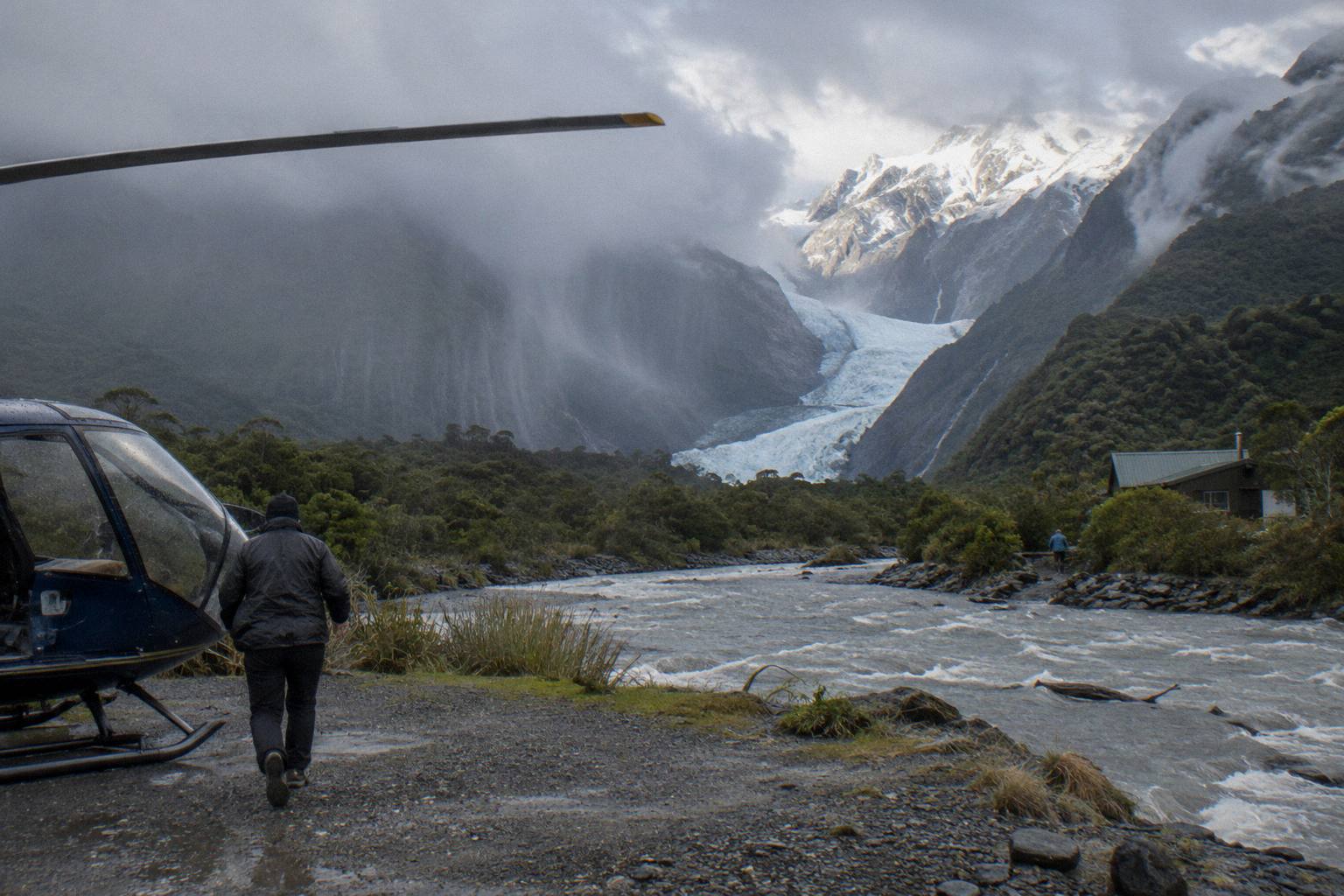
The first mistake is the old guidebook assumption. Visitors arrive expecting to walk from the car park onto the ice, as was possible in earlier decades, and plan a single night around it. DOC says the river has cut off access up the valley, the track ends at a barrier, and helicopters are the only safe way onto the glacier for guided walks. Anyone who wants ice underfoot needs a booking, a flight and a window of clear weather, which is why the operator advises two days in Franz Josef with the trip booked for the first day.
The second mistake cuts the other way: capable walkers read "moderate" and downgrade their plans, then spend NZD 899 on a trip that leaves them wanting more. Moderate, in the operator's definition, means comfortable walking 2 to 3 hours on uneven terrain including cut steps, with no experience needed. Walkers well beyond that bar should be comparing the Adventure and the Ice Climb, not doubting the standard hike.
The third mistake is crossing limits between products. A 9 year old can join Fox Glacier Guiding's Flying Fox, minimum age 9, but not the Franz Josef heli hike, minimum age 10. The Franz Josef hike caps weight at 115 kg; the Fox operator's limit across its helicopter trips is 116 kg. The Glacier Landing states no weight limit at all, because the load calculation belongs to the helicopter. Each number belongs to its own product, and the booking page for that product is where the current figure lives. If a limit matters to your group, confirm it with the operator before booking: Franz Josef Glacier Guides on 0800 484 337 or +64 3 752 0763, Fox Glacier Guiding on 0800 111 600 or +64 3 751 0825.
Common Questions About The Franz Josef Glacier Walk
How Hard Is The Franz Josef Glacier Walk?
The free DOC valley walk is easy to intermediate: 1.7 km return, about 30 minutes, ending at a viewing barrier. Walking on the glacier itself is a guided helicopter trip that its operator rates moderate, meaning comfortable walking 2 to 3 hours on uneven terrain, with no experience needed.
Can You Walk Onto Franz Josef Glacier Without A Helicopter?
No. DOC says the river has cut off access up the valley, the track ends at a barrier, and helicopters are the only safe way to get people onto the glacier for guided walks. The valley walk is a viewpoint walk only.
How Long Does The Valley Walk Take?
About 30 minutes for the 1.7 km return track, which DOC rates easy to intermediate. The car park at the start of the track charges NZD 2.50 per half hour or NZD 20 for a day, free under 10 minutes.
What Fitness Do You Need For The Heli Hike?
The operator, Franz Josef Glacier Guides, rates the heli hike moderate and defines it as comfortable walking 2 to 3 hours on uneven terrain including steps cut into the ice, with no previous experience needed. The guide may assess fitness on the day.
Is There An Easier Way To Stand On The Ice?
Yes. The operator's Glacier Landing, also called Glacier Encounter, spends 15 minutes on the glacier at about 1,300 m, takes about 1 hour from check-in, has a minimum age of 4 and needs no special gear beyond enclosed shoes. Its price is from NZD 699.
Is There A Hard Walking Track With Glacier Views?
The Alex Knob Track is 8 hours and rated advanced by DOC, which says it offers the best views of Franz Josef Glacier without taking a helicopter flight. It stays above the glacier rather than on it.